I keep my tube colors in one familiar order.
The little pans hold the tube paints I actually use. Whether I am at home or away, I know where every color is without searching through a large box.
Beginner lesson · Palette setup and wash preparation
I use tube paint in a repurposed mint tin, set the tin inside my large John Pike palette, and mix plenty of wash before the brush ever touches the paper.
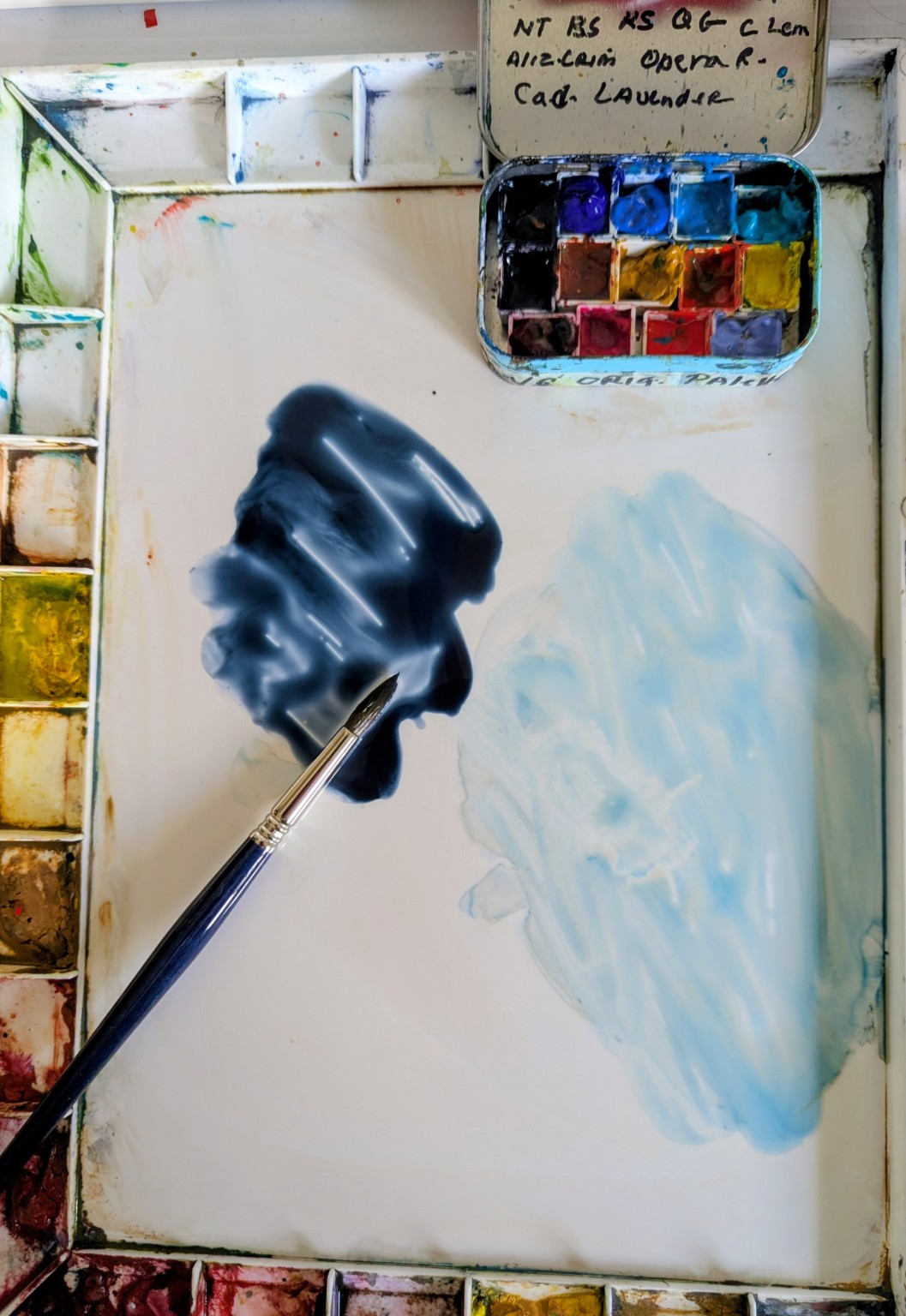
Small palette · Large puddle
The mint tin keeps my colors compact and organized. The John Pike palette gives me a clean, roomy surface where I can judge the color, value, and amount of a wash before I begin.
“A small palette does not mean I paint with a small, thirsty wash.”
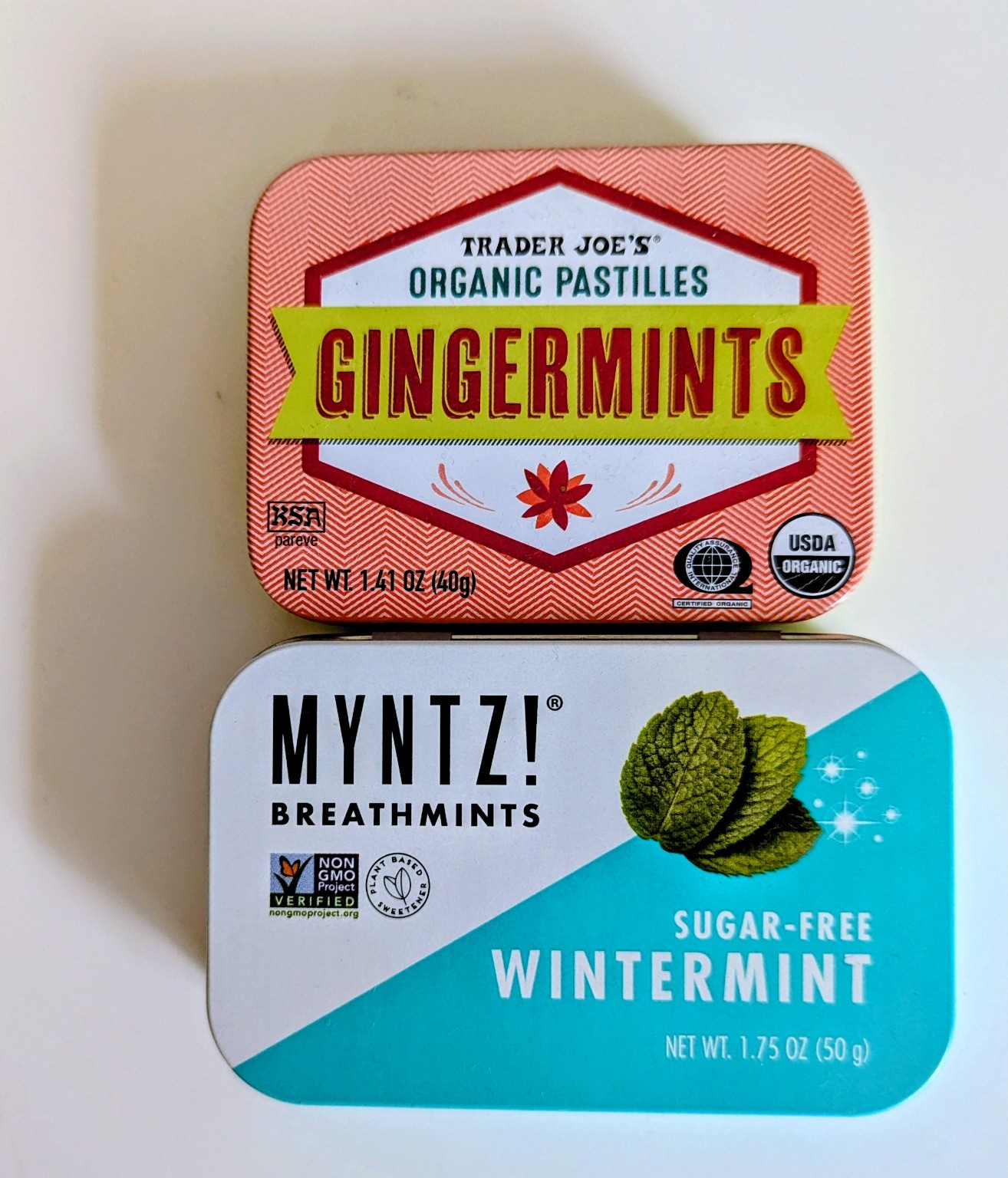
Ordinary mint tins become sturdy little paint boxes.
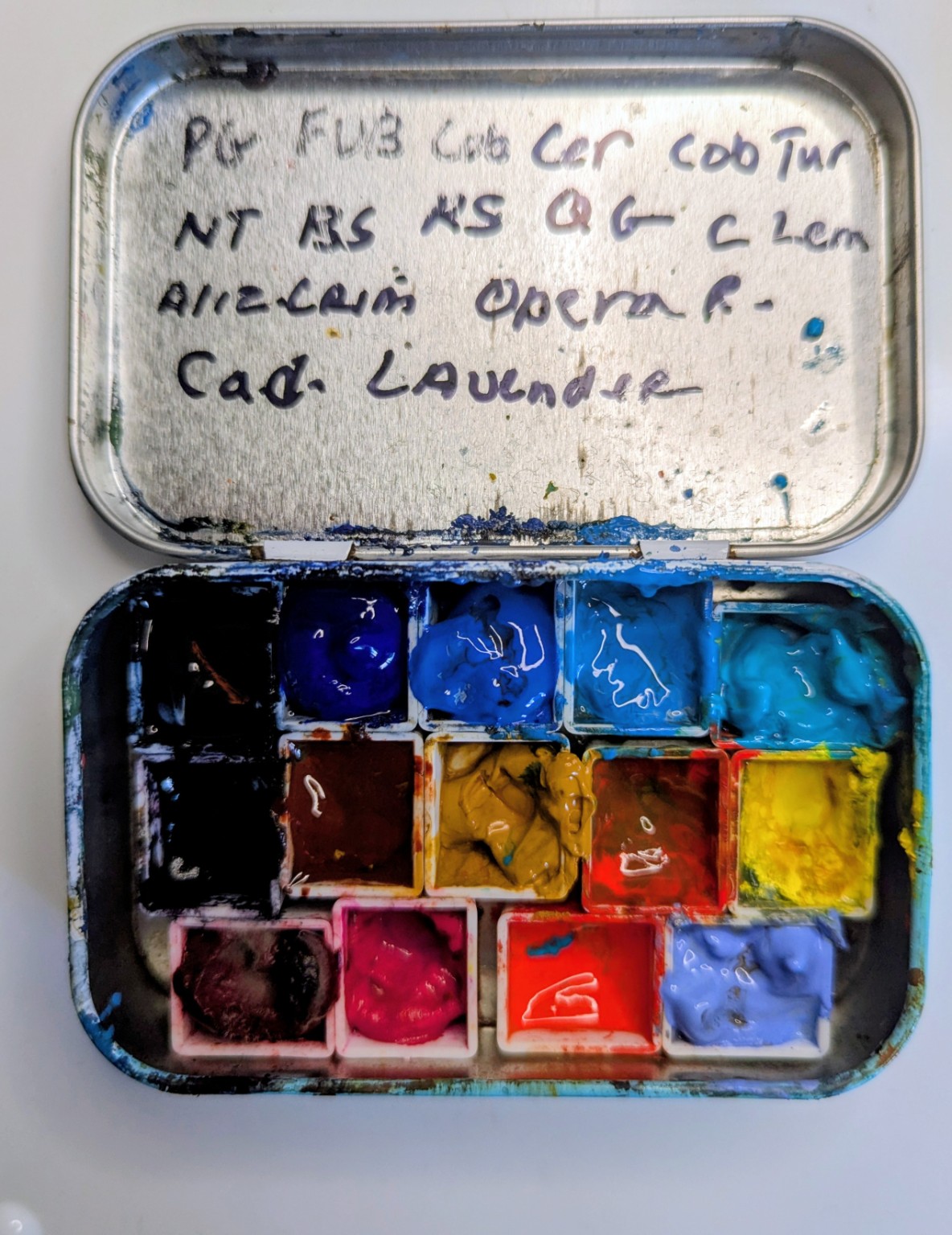
Fourteen familiar colors, a closing lid, and a handwritten refill guide.
Why this works for me
The little pans hold the tube paints I actually use. Whether I am at home or away, I know where every color is without searching through a large box.
Closing the lid protects the paint and helps it stay soft and easy to rewet. The handwritten color list inside the lid also makes the palette quick to refill.
The mint tin is compact, but I do not try to mix a large wash inside it. I place it in my John Pike palette and use the broad white center for generous puddles.
I do not have to relearn a different color arrangement when I travel. The tiny palette comes with me, while the larger mixing surface supports it in the studio.
Inside my tin
I use tube paint and arrange the colors in the same order each time. These are the names written inside my working tin.
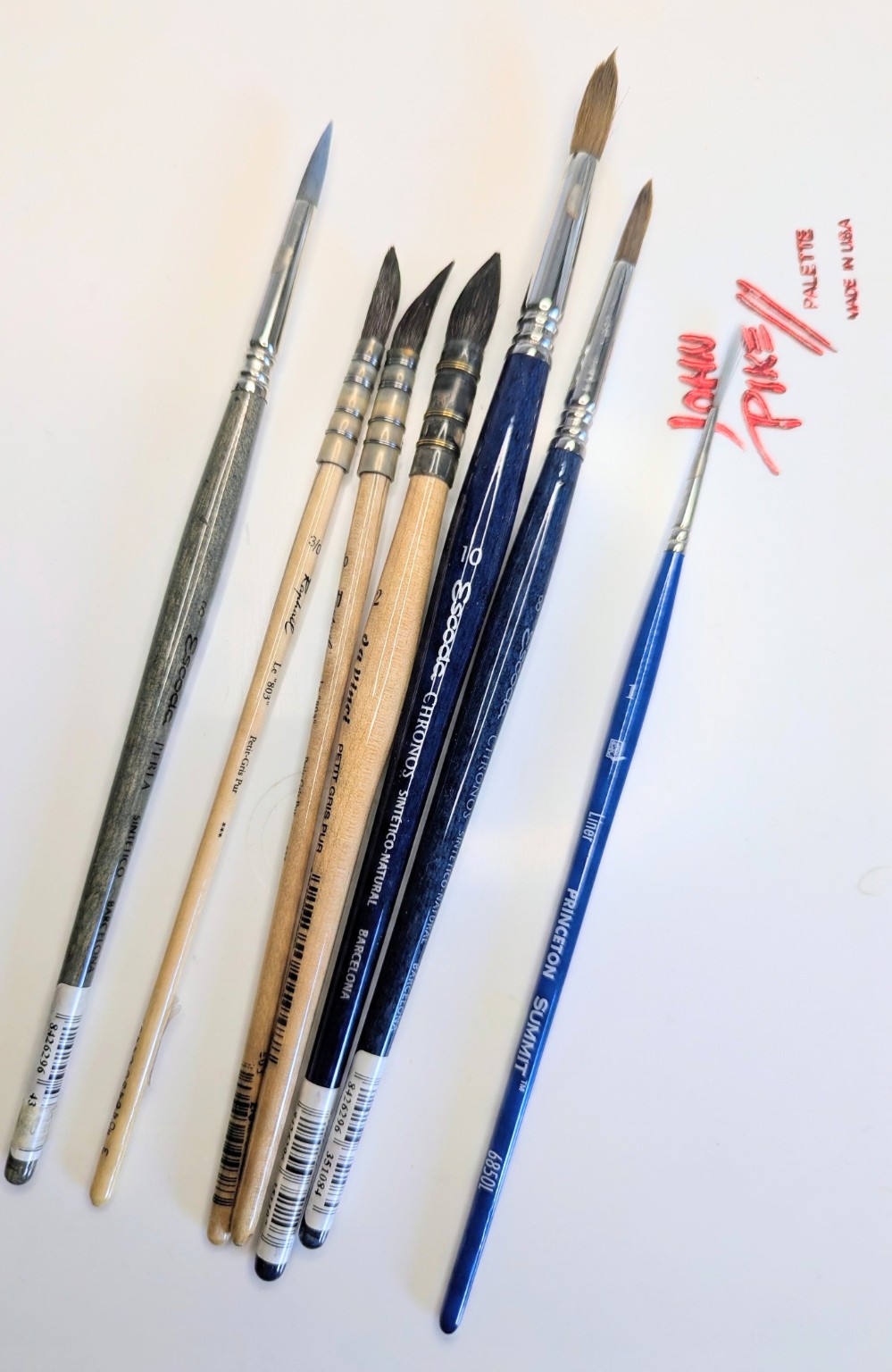
The brushes meet the wash
I begin with a larger mop, move to a smaller mop, and then reach for my blue-handled Escoda Chronos rounds in sizes 12 and 8 for more selective shapes and accents. Their natural-and-synthetic blend gives me water-holding ability with useful spring and control. My Escoda Perla gives me a firmer synthetic point when I want a crisper mark.
The number printed on a brush is only part of the story. I also look at its belly, point, softness, spring, and how much water it carries.
Before I begin
I do this before starting a broad passage. Once the wash is moving across the paper, I want my attention on the shape—not on squeezing more paint from a tube.
I check that the colors I need are ready and that my mixing area is clean enough to judge the wash.
A small mist of clean water softens the tube paint. I give it a moment to wake up without flooding the pans.
I prepare a generous puddle in the center of the John Pike palette and adjust its color and value before touching the paper.
I let the mop take up enough wash to make a confident passage rather than beginning with a half-loaded brush.
I return to the same prepared puddle before the brush becomes starved. This keeps the wet edge moving and the wash more consistent.
The practical lesson
Mixing enough paint ahead of time gives me the freedom to move. I can reload from one consistent puddle, maintain the moisture in the brush, and avoid patching a large wash with a hurried second mixture.
“Mix enough. Load generously. Reload often. Keep the wet edge moving—and then leave it alone.”
My everyday setup